Japan’s northern island is famous for its beautiful wilderness, world class powder snow, delicious seafood and fascinating indigenous culture. Hokkaido is a popular destination for skiing and snowboarding in winter, thanks to its abundant powder snow and top resorts like Niseko, Rusutsu and Furano. Sapporo, Hokkaido’s main city, famous for Sapporo beer, Sapporo ramen and the annual Sapporo Snow Festival. Hakodate is a traditional port with charming historical areas and gorgeous night views. Hokkaido’s mild summers provide relief from Japan’s humidity, and the perfect conditions for hiking and exploring the many National Parks. Much of Hokkaido is wild and unspoiled, with natural hot springs, volcanic lakes and unforgettable experiences.
Hokkaido is accessible by plane from all major airports in Japan to New Chitose Airport near Sapporo, with international flights from Shanghai and Seoul. Direct flights from Tokyo take about 90 minutes. There are also several international flights. It is possible to take the Shinkansen from Tokyo. The fastest way to reach Hokkaido is by plane. Flights from Tokyo to Sapporo’s New Chitose Airport take about 90 minutes. By train, it takes around eight hours from Tokyo. Take the JR Tohoku/Hokkaido Shinkansen from Tokyo to Shin-Hakodate-Hokuto, then transfer to the Hokuto limited express to Sapporo. There are also some inexpensive long-distance ferries from Honshu to ports outside of Sapporo.
In terms of cuisine, it’s curry in a delicious soup form. This spicy dish is filled with seasonal vegetables such as potatoes, pumpkin, carrots, peppers, cabbage, okra and lotus root. Hakodate ramen takes the traditional pork or chicken soup base and adds kelp or other seafood to give it the flavor of Hakodate's rich fishing heritage. Locally sourced pork is aged briefly to bring out its natural umami. It is grilled with a sweet and spicy sauce and served on Hokkaido rice, with more sauce. Japan is synonymous with seafood, and it features on menus everywhere throughout the country. Yet, for the very freshest, most delicious and widest array, Hokkaido is considered the place to go. Crab, shrimp, scallops, sea urchin, fish roe, squid and salmon are but a few of the delicacies for which Japan's northern island is famed.
The Ishikari River in Hokkaido is famous for the delicious salmon that swim in its waters. Pig farming flourished in this region in the 1930s, and many yakitori restaurants began putting Muroran yakitori on their menus. While most yakitori places offer the standard, recognized chicken parts, Bibai is all about the gizzards, hearts and livers. Kegani, horsehair crab, can be served raw, boiled or grilled, and yields exceptionally sweet, tender meat. Hokke, also known as the Arabesque greenling, lives in the cold waters of the Sea of Okhotsk. A flavorful, juicy fish, hokke can be served raw, boiled or grilled with lemon and soy sauce.
Plats intégrant des viandes et légumes sont cuits à table sur un grill métallique en forme de dôme, avec des sauces d'accompagnement - une expérience conviviale et délicieuse. A hybrid melon grown in greenhouses in Yubari that is famous for its perfectly round shape and intense sweetness. Japan’s northernmost island of Hokkaido is home to the Ainu, indigenous people who have a deep respect for nature and believe God is found everywhere. Hand-carved wooden trays featuring traditional motifs unique to Ainu culture, including soft spirals, diamond-shaped eyes, thorns and fish scales. Each piece is intricately fashioned to accentuate the wood grain. Bark from Manchurian elm or Japanese lime trees is handspun and woven into distinctively textured fabric. Used in regional kimono, workwear and accessories, this durable, breathable natural textile is Mother Nature’s Gore-Tex.
Farmers in the little town of Yakumo, Hokkaido, couldn’t work in winter because of the snow, so in 1924 they started carving kibori kuma as souvenirs to make money and fight boredom. Bolta ningyo are dolls welded from bolts, nuts, washers and other components, made in Muroran, a city of iron in Hokkaido. When the snow melts, Hokkaido is transformed. Summer is lavender season in Hokkaido, and there are dozens of other flower festivals too. The last mountain snows melt, allowing opportunities for hiking, mountain biking, golf, rafting and other green season sports. In fall, enjoy the colorful foliage along the streets and in the national parks. Taste Hokkaido's seasonal produce when it is freshly harvested, and fresh salmon roe from the salmon that travel up the rivers in fall.
When it comes to skiing in Japan, Hokkaido is a popular destination for powder snow. Don't miss a chance to glide down the slopes of the Niseko, Rusutsu or Furano resorts after a fresh snowfall. The Sapporo Snow Festival, with its giant snow and ice sculptures, attracts thousands of visitors every year.
Points forts et expériences à ne pas manquer
Hokkaido s’illustre par l’étendue de ses parcs nationaux, ses sources chaudes naturelles et des paysages volcaniques à couper le souffle. Ses étés plus cléments offrent un répit face à l’humidité japonaise, tandis que les hivers dévoilent une poudreuse d’exception sur Niseko, Rusutsu et Furano. Hakodate, port traditionnel, et Sapporo, capitale, complètent le tableau par leur gastronomie et leurs festivals emblématiques.
Accès et transports
Des vols internationaux et des liaisons domestiques relient Hokkaido directement depuis Tokyo et d’autres grandes villes du Japon. Le Shinkansen permet d’atteindre Sapporo via Shin-Hakodate-Hokuto et le Hokuto Limited Express; des ferries maritimes relient aussi Honshu à des ports extérieurs à Sapporo. Le trajet Tokyo-Sapporo en avion dure environ 90 minutes, et environ huit heures en train.
Gastronomie et produits locaux
Les spécialités d’Hokkaido couvrent les fruits de mer frais, les ramen et des plats traditionnels mitonnés avec des ingrédients locaux. Le ramen d’Hakodate, le crabe, les fruits de mer et les produits saisonniers comme le saumon et les légumes locaux composent une expérience culinaire riche et variée.
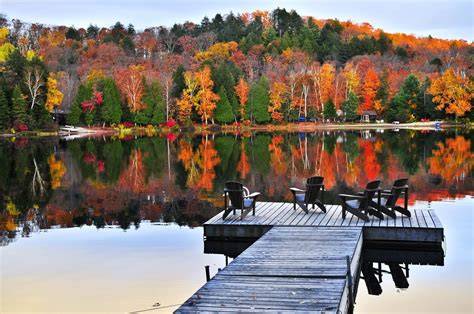
En été, la floraison et les festivals ajoutent une dimension culturelle forte, tandis que l’automne offre des paysages colorés et des produits de saison à déguster tout au long des marchés et restaurants.
Suggestions pratiques
Planifiez un itinéraire qui combine stations de ski (Niseko, Rusutsu, Furano), visites urbaines (Sapporo et Hakodate) et découvertes culturelles Ainu. Profitez des sources chaudes et des randonnées dans les parcs nationaux pour une expérience complète de l’île.
tags: #carte #touristique #japon #hokkaido